Highline Test Drives
New body, new engines, and a new chassis, the ’26 Dodge Charger R/T Four-Door AWD Sixpack is the start of the iconic name’s next chapter. Originally introduced as an EV, the ’26 lineup gives muscle car fans hope these new gas-powered options are what they’ve been waiting for. Starting at 420 hp, the Sixpack R/T features a twin-turbo I6 under the hood dubbed the Hurricane, and boosted to 550 hp in the Scat Pack. Will these latest offerings bring the Dodge Charger back to the top of the muscle car standings, or has the initial EV launch taken the wind out of its turbos?
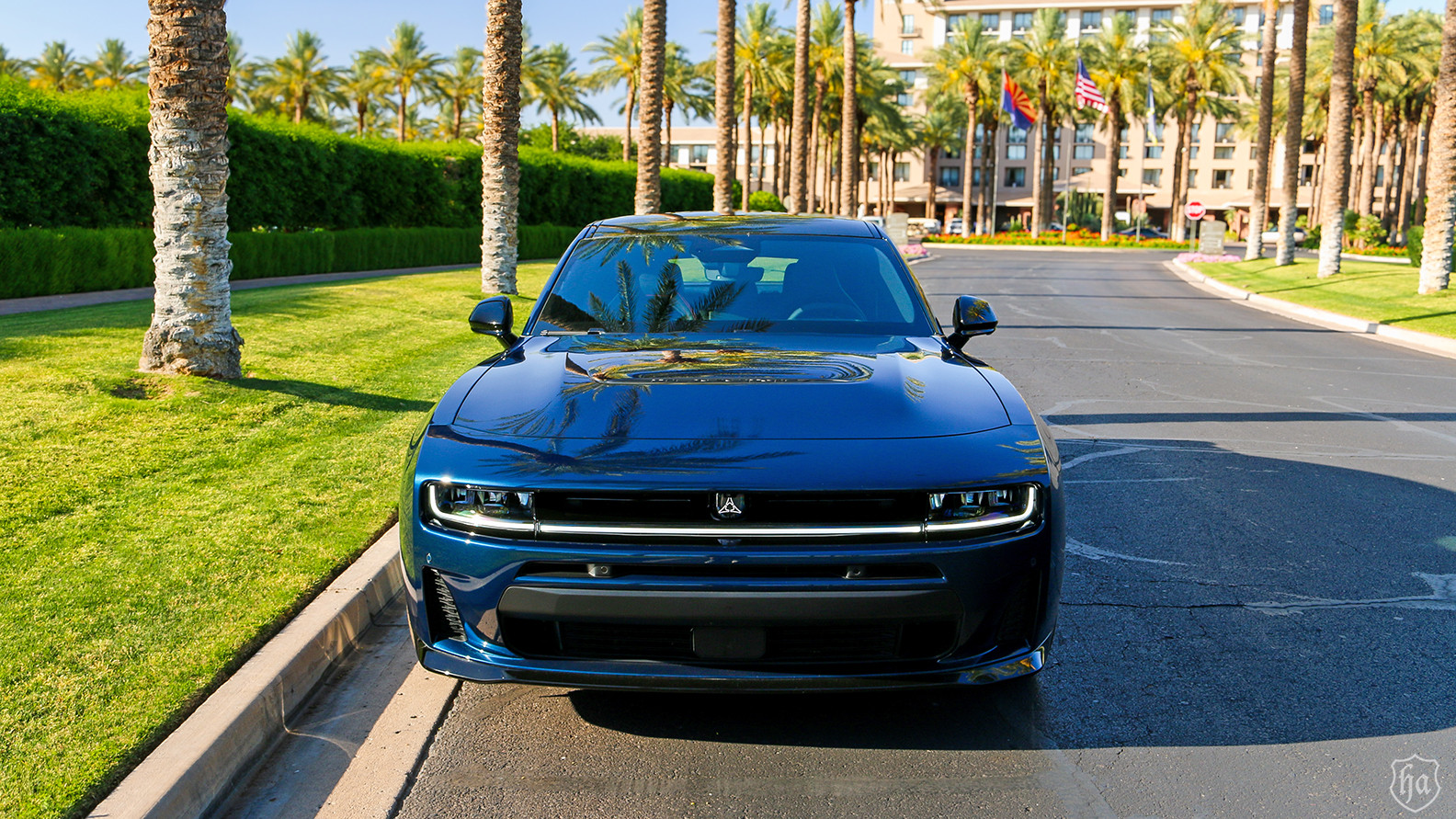
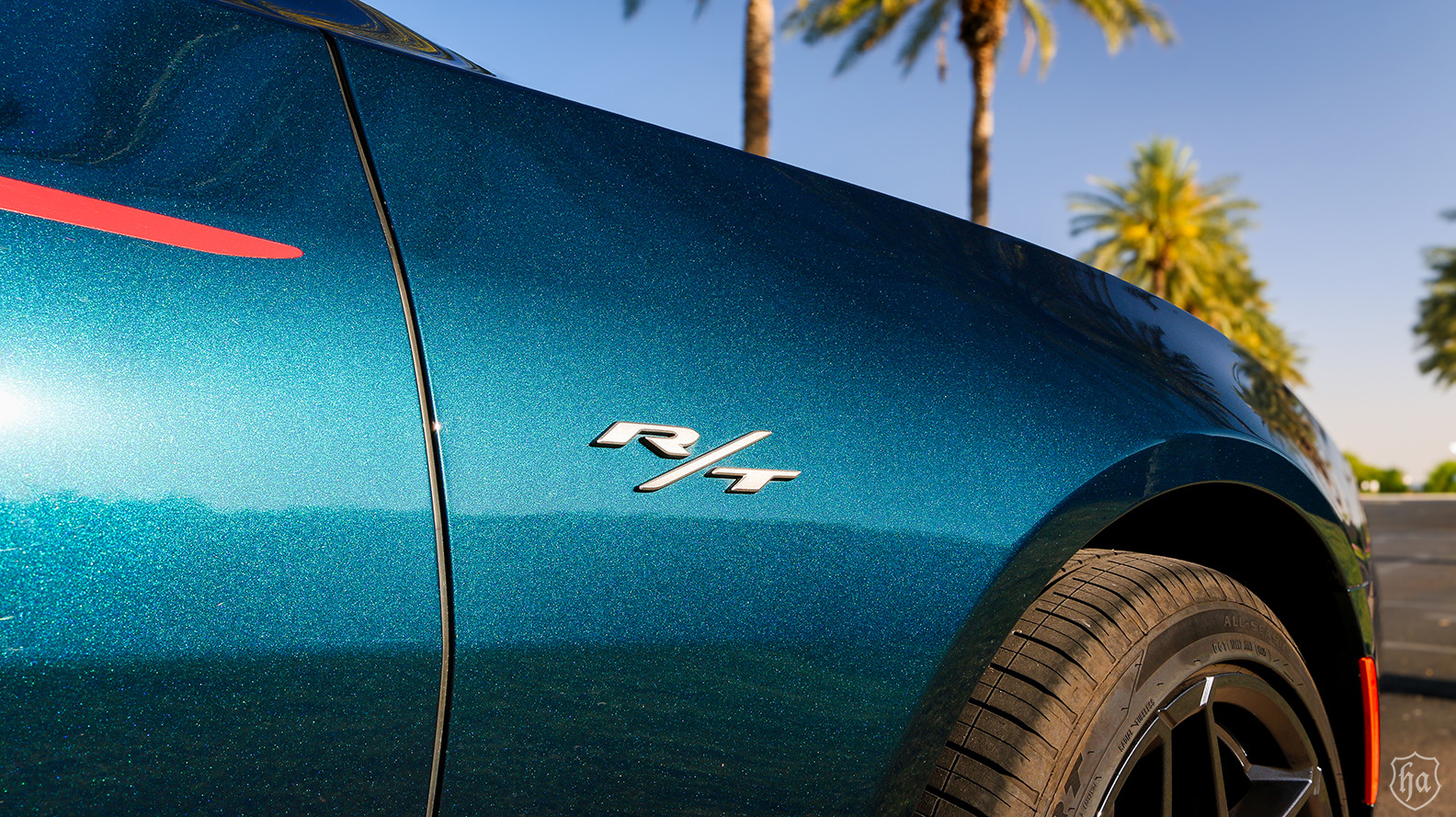
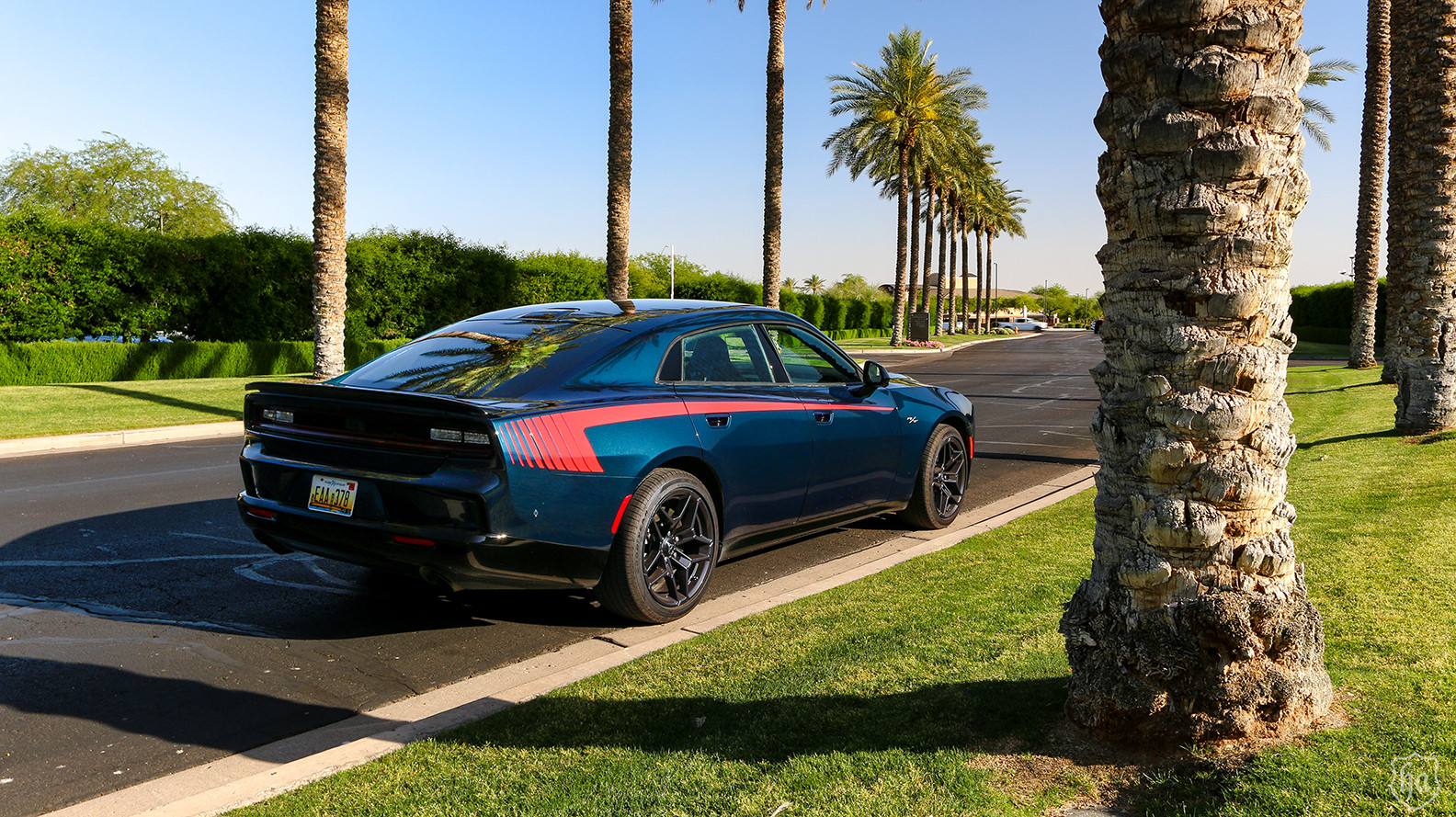
Just hearing the name Dodge Charger… muscle car fans paint a picture of boxy body lines, outlandish colors, and plenty of decals, all wrapped up in front of a very smokey burnout. While our AWD model isn’t the first choice when it comes to brake stands and chirping tires, our ’26 Dodge Charger R/T Four-Door AWD Sixpack finished in After Dark (navy blue) with red side decals, sure looks like a modern ’70s muscle car. The length of both a 1970 and 2026 Dodge Charger is almost identical; however, design themes have favored practicality, passenger comfort, and safety regulations over sheer style, and I think these changes can be applied to almost all aspects of the Charger.
Could you imagine telling someone in the ’70s their Charger was going to be electric? It doesn’t seem fair to pick on the EV Charger through the eyes of a muscle car fan, especially when the Sixpack R/T and Scat Pack trims are Dodge’s answers to fans who begged for a 400–500+ hp, traditional gas power option in the body of the latest generation. Unfortunately for the power-hungry, motor-personality-derived crew, behind the wheel of the latest Charger, even with the 420 hp under your right foot, the car does not feel like a muscle car.
A hard truth is that this ’26 Dodge Charger R/T Four-Door AWD Sixpack is an EV trying to be a muscle car. A chassis shared between an EV and ICE powertrain can only mean one thing: compromise. I’m not going to go as far as to say we are in Ford Mustang Mach-E territory of an automaker losing the plot, but we’re about halfway there. If you are a fan of the previous 392, Hellcat, Daytona, Redeye, etc., this Sixpack is not for you. We know Dodge wants—in fact, needs—customers and fans of the traditional V8 muscle car to get in and love the Sixpack, and hopefully, with further development of the Hurricane platform, the twin-turbo I6 can get to that level of personality. Right now however, the Four-Door AWD Sixpack is two cars trying to be one, and neither are what you’d expect wearing an R/T badge.
The 2026 Dodge Charger R/T Four-Door AWD Sixpack is a capable car at the end of the day; however, for those who care, that isn’t enough. Dodge took a leap and tried to make the next-generation Charger a modular exercise, thinking customers will gravitate toward a simple “pick your number of doors, drivetrain, and horsepower” approach. However, when it comes to the execution of the different combinations available, those higher-cost options, like drivetrain and horsepower, need to result in a better car and driving experience, yet so far, they have not.
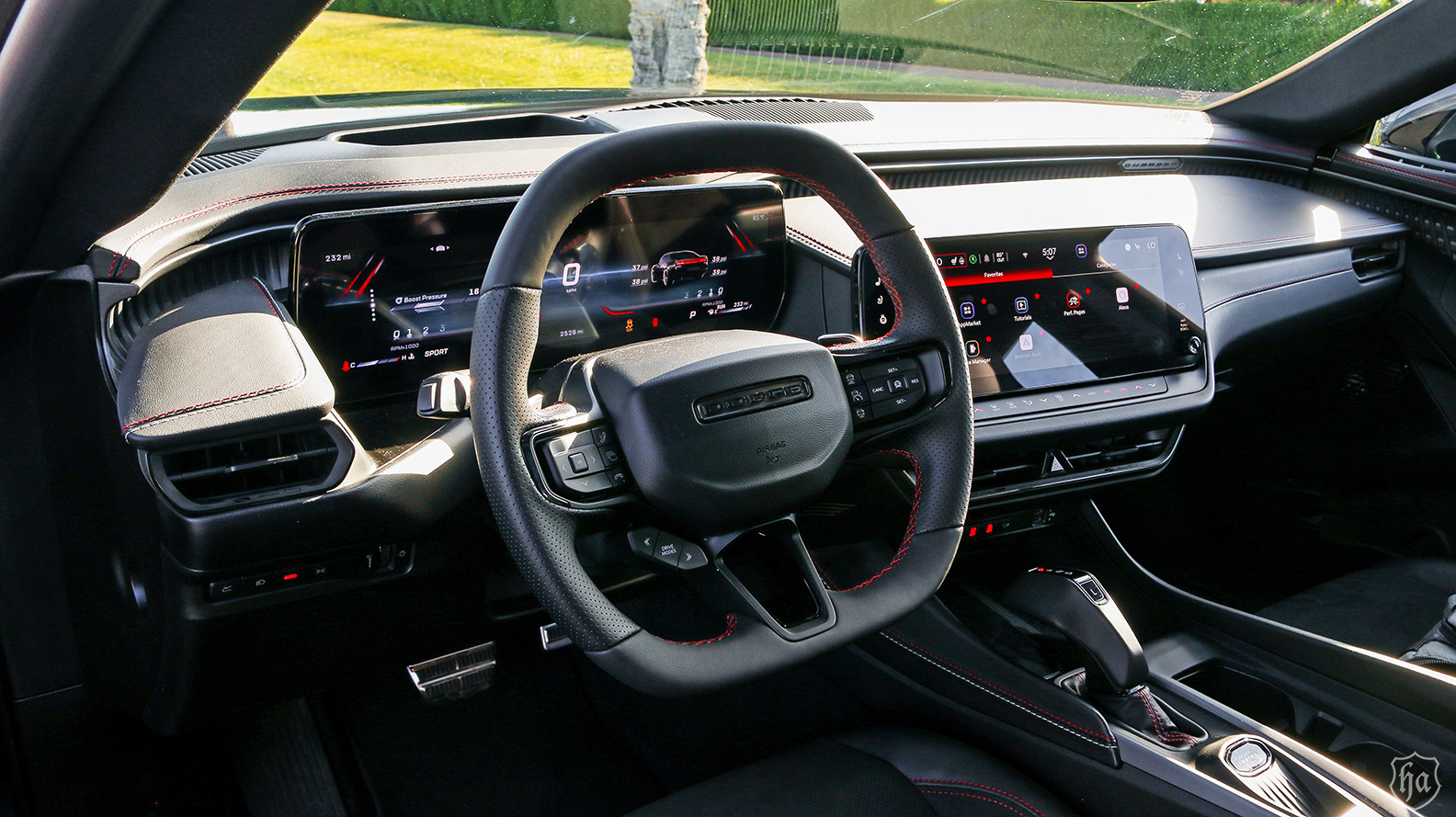
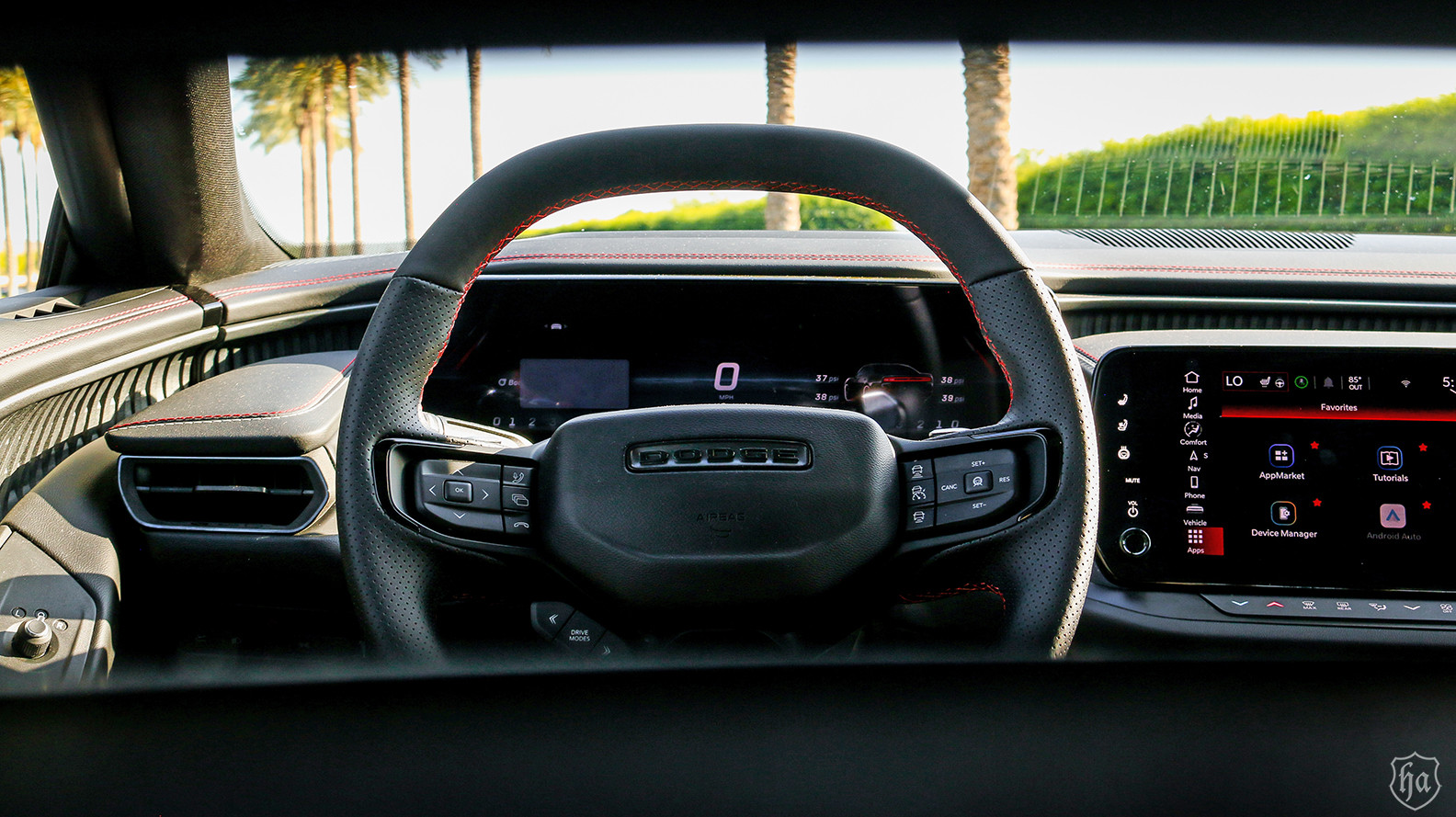
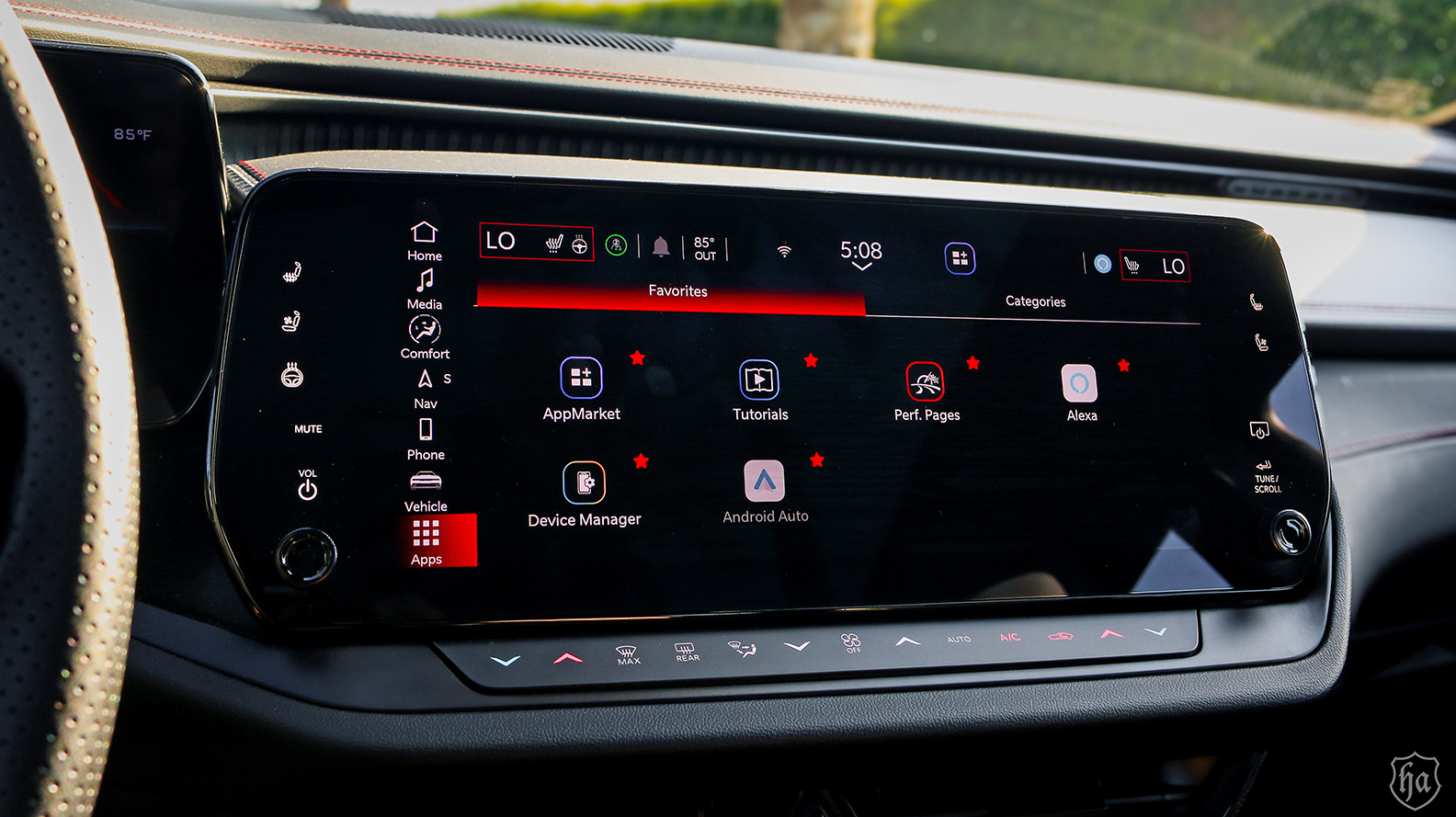
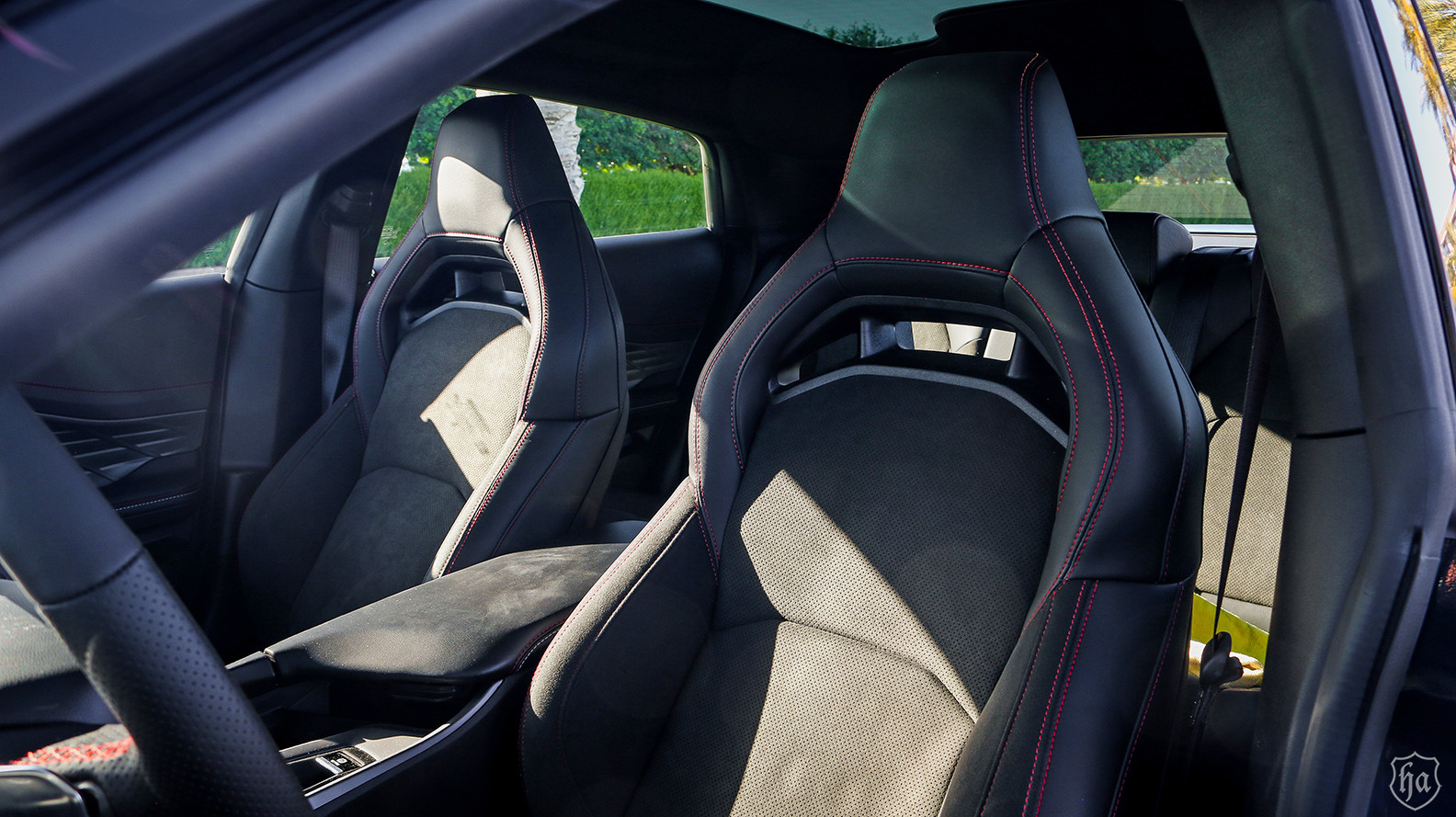
Interior quality and creature comforts were all fine and as expected in a $60K+ Stellantis product. Interior trim lighting is nice, and the high-traffic surfaces had a suede/Alcantara feel, but don’t start poking around the surfaces beyond the high touch points; you’ll be greeted by hard plastics and creaky noises. Apple CarPlay and the latest infotainment perform exactly as you’d expect—nothing more, nothing less. The “industry standard” interior experience is why the powertrain is so important in a vehicle called the Dodge Charger; take away all the personality under the hood, and you’re left with none all together.
While offering adequate performance and modern features but lacking the character of previous V8-powered Chargers, the 26 Dodge Charger R/T Four-Door AWD Sixpack aimed to combine practicality with muscle car performance, but the shared EV-based platform makes the car feel like a compromise rather than a true successor. It is a capable vehicle, but it falls short of delivering the driving experience most Charger fans expect.
Gallery